
Look beyond appearances
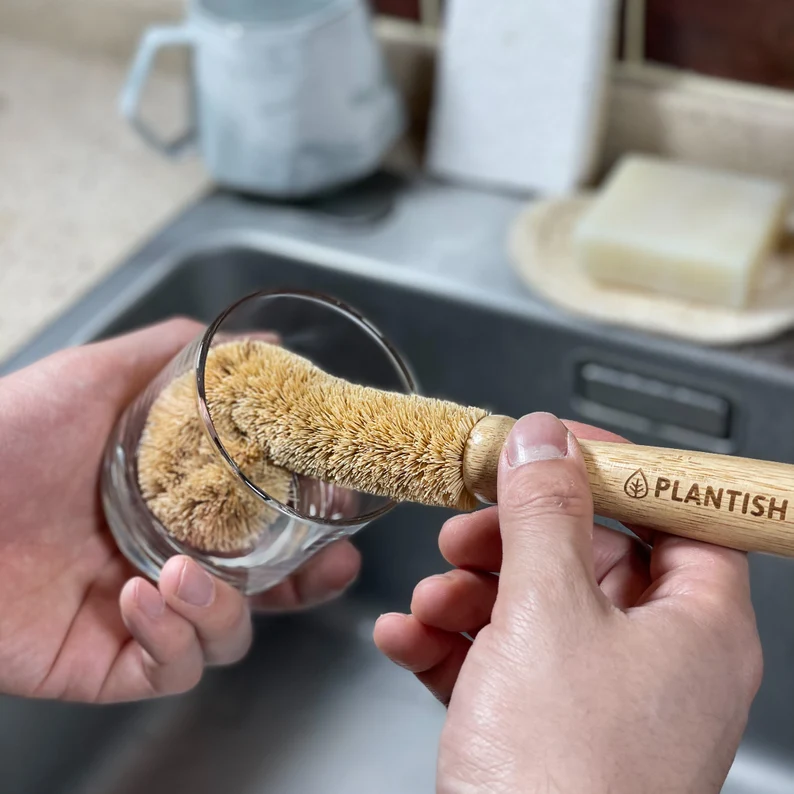
A natural texture or a green label is not proof of better environmental performance. Consider the whole product: its source materials, manufacturing, packaging, transport, useful life and end-of-life options. Bamboo, cork, coir and cotton can be useful choices, but coatings, adhesives and other components matter too.
Start with the need
Before replacing an item, ask whether it is needed at all. A hotel can consider supplying some amenities on request rather than placing them in every room. When a product is needed, assess its performance, hygiene, durability and maintenance requirements in the actual setting.
Use and care
A reusable bag is only useful if it is suitable for repeated use and maintained correctly. A natural-fibre scrubber needs appropriate drying and replacement. Evaluate the cost and effort of washing, storage and staff training alongside purchase price.
Plan for the next step
Disposal depends on the complete composition of a product and the facilities available in the local municipality. A plant-based material does not automatically mean the finished item is compostable. Request clear written specifications and make sure any claims are supported.
Make procurement practical
Start with a small sample program. Compare products with current supplies, collect feedback from staff and guests, and document what works. Explore Umamas Eco World’s hospitality collections to identify options that meet your operational needs.
For samples and wholesale inquiries, contact hello@umamasecoworld.com.
Photo currently unavailable — contact us for a product photoCoconut Coir Scrubbing Pads
Coconut coir